
Key Takeaways
- Increased screen time, home offices, and remote learning have made digital eye strain one of the most common complaints among Canadian households.
- Lighting choices made during a renovation, like skipping task lighting or relying only on overhead fixtures, can quietly make eye strain worse.
- Simple daily habits, such as the 20-20-20 rule and proper screen positioning, reduce fatigue without any renovation work at all.
- For busy families, mobile eye care services like Optician On Wheels make it easier to keep up with eye exams without ever leaving home.
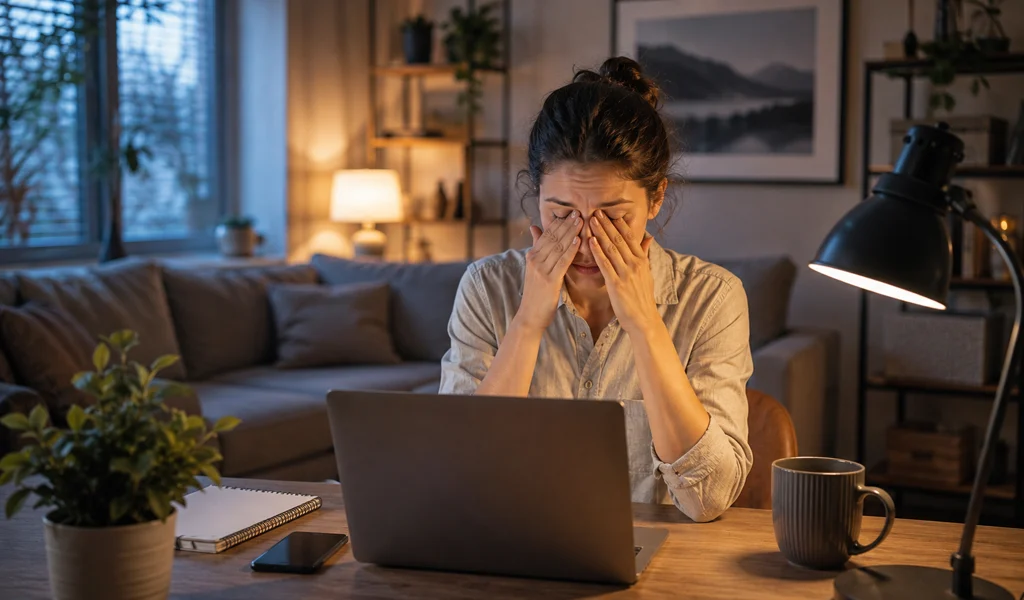
Modern living has made homes smarter, more connected, and more screen-dependent than ever, but that convenience comes with a hidden cost: tired, strained eyes. Between video calls, streaming, online schooling, and smart home displays, most of us spend more hours staring at screens inside our homes than at any other point in history.
The good news is that digital eye strain is largely preventable. A few adjustments to your habits, your lighting, and your eye care routine can make a noticeable difference.
Why Modern Homes Are Harder on Your Eyes
Today’s households run on screens. Laptops for work, tablets for kids’ homework, smart TVs, and even smart fridges all compete for our visual attention throughout the day. Add in dimly lit corners, glare from windows, and furniture arranged for looks rather than function, and your eyes end up working harder than they should.
This isn’t just a minor annoyance. Prolonged digital eye strain can affect focus, productivity, and even sleep quality, since blue light exposure in the evening can disrupt your body’s natural wind-down process.
Common Signs of Digital Eye Strain
Eye strain often builds gradually, so it’s easy to dismiss the early signs. Watch for:
- Blurred or double vision after screen use
- Dry, irritated, or watery eyes
- Frequent headaches, especially around the temples
- Difficulty focusing when switching between near and far objects
- Increased sensitivity to light
If several of these sound familiar, it’s worth looking at both your habits and your home environment.
How Your Home’s Lighting Design Plays a Role
Lighting is one of the most overlooked factors in eye comfort, and it’s a mistake we see often in home renovations. Relying solely on a single overhead fixture creates harsh contrast between a bright ceiling and a dim desk, forcing your eyes to constantly readjust.
The fix doesn’t have to be complicated. Layered lighting, think ambient, task, and accent sources working together, reduces glare and shadow. It’s also part of why smart, adjustable lighting has become one of the top home renovation trends Canadian homeowners are loving in 2026: it lets you tune brightness and colour temperature to match the task at hand.
Outdoor Light Matters Too
Natural light exposure plays a role as well, and it’s not just about how much light enters your home, but how it’s filtered. Mature trees can soften harsh afternoon glare on south- and west-facing windows, while removing them entirely can suddenly flood a workspace with direct, eye-straining sunlight.
Quick Fixes You Can Start Today
You don’t need a renovation to start protecting your vision. Try these first:
- Follow the 20-20-20 rule. Every 20 minutes, look at something 20 feet away for at least 20 seconds.
- Position screens correctly. Keep monitors about an arm’s length away, with the top of the screen at or slightly below eye level.
- Reduce glare. Use matte screen filters and angle monitors away from direct light sources or windows.
- Adjust blue light settings. Most devices have a built-in night mode that warms the screen’s colour temperature in the evening.
- Blink more often. Screen use naturally reduces blink rate, which dries out the eyes faster than usual.
Why At-Home Eye Exams Fit Modern Lifestyles
Even with better habits, regular eye exams remain essential, especially since prescription changes can sneak up on heavy screen users. The challenge for many households is simply finding the time to book and attend a clinic appointment around work, school, and family schedules.
This is where mobile eye care has become a practical solution for modern living. Services like mobile optician bring a full eye exam, prescription assessment, and eyewear selection directly to your home, so there’s no need to take time off, arrange transportation, or coordinate the whole family around a single appointment. It’s a fitting example of how convenience-driven services are adapting to busier, more connected lifestyles.
Final Thoughts
Digital eye strain is one of the quieter side effects of modern living, but it’s also one of the easiest to manage once you know what to look for. Pay attention to how your home is lit, build small screen habits into your day, and don’t let a busy schedule push back your next eye exam. For more practical ways to make your home work better for your daily life, browse our full collection of tips on the Modern Living Tips blog.